
FROM SMART CITIES
TO HUMAN CITIES
Thinker & Strategic Advisor · Human-Centred Cities · Technology & People
Technology can make a city smarter,
people are what make it worth living in.
From designing cities around people to
understanding the human beings who
will inhabit them.
A human-centred perspective on cities, technology and people,
shaped by decades of experience in business transformation,
innovation and urban development.

COMUNIDAD DIGITAL
An early vision of the connected city.
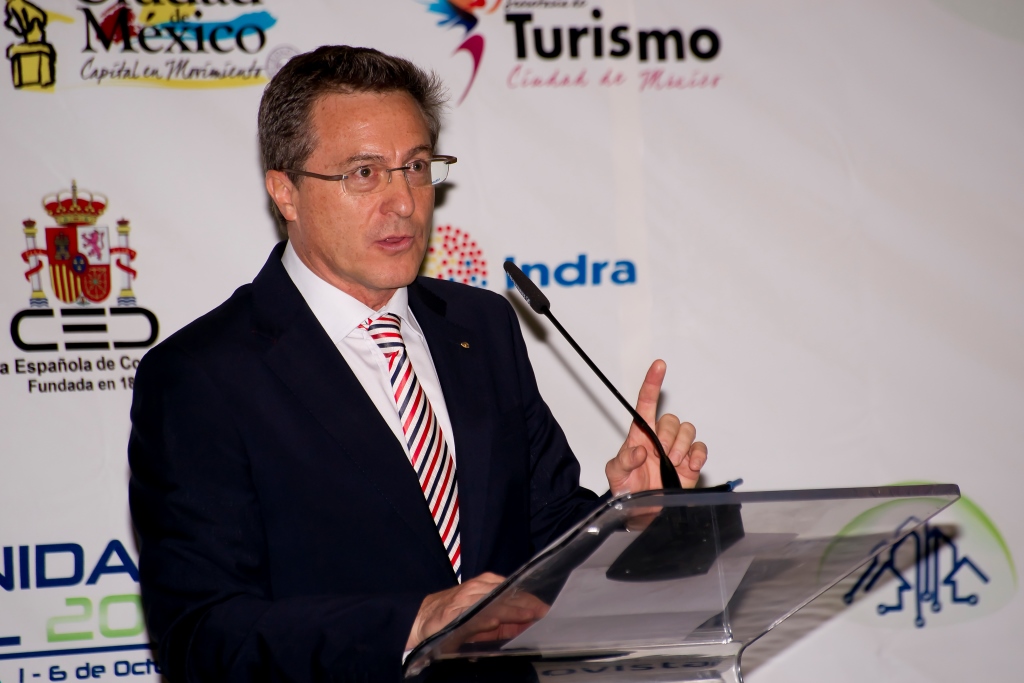
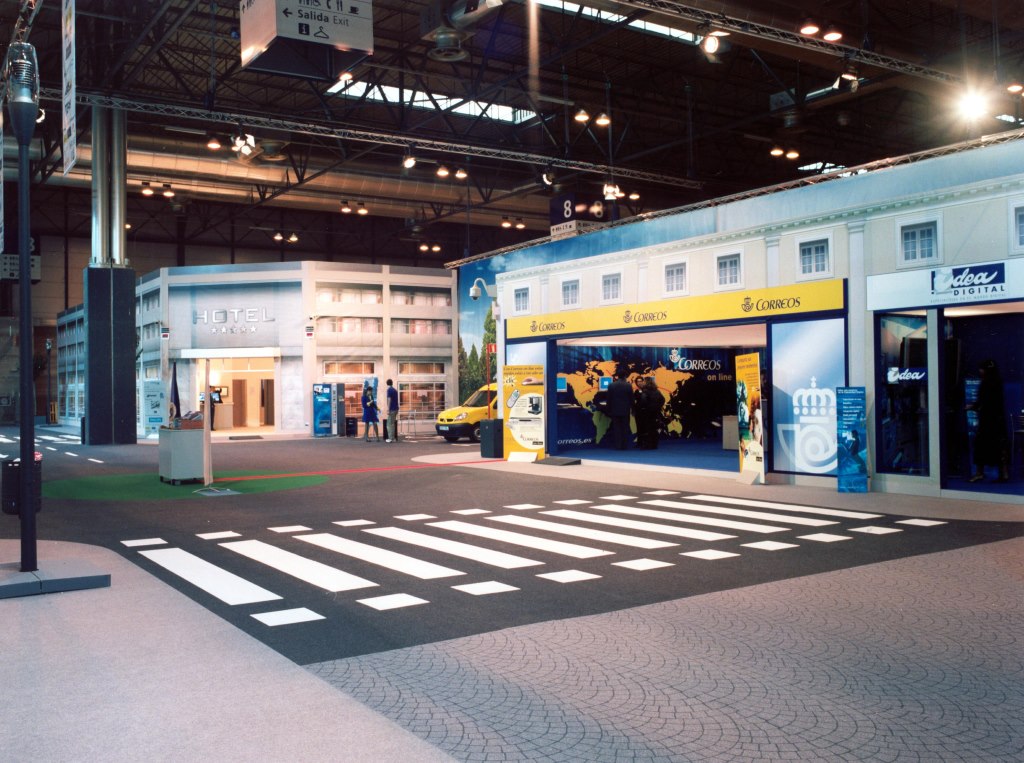
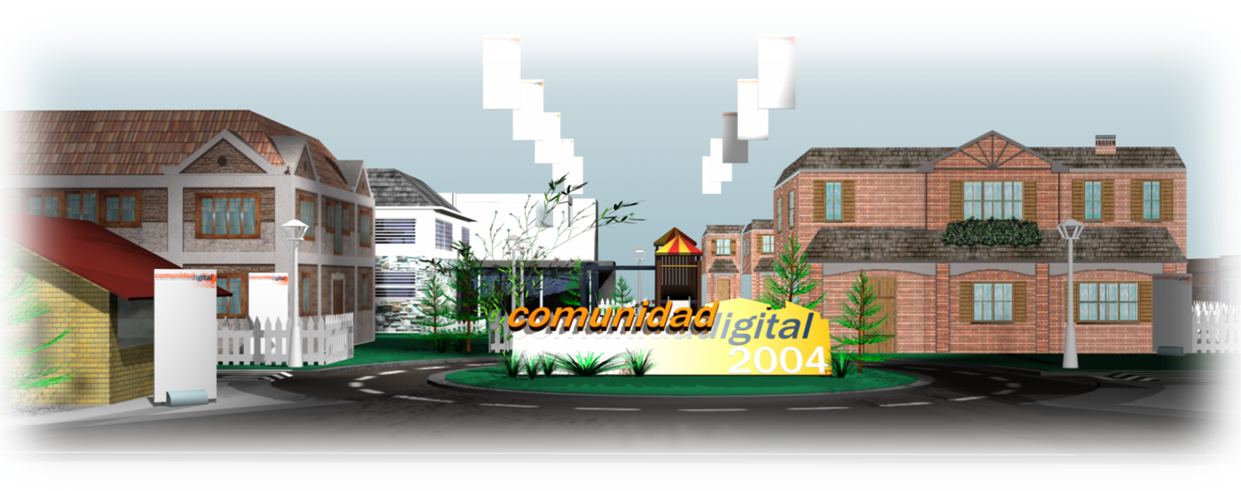
A pioneering full-scale urban environment created in Madrid in 2004, bringing companies, institutions and technologies together around a shared vision of the digital city.
MEDIA & CONVERSATIONS
Ideas also evolve through conversation.
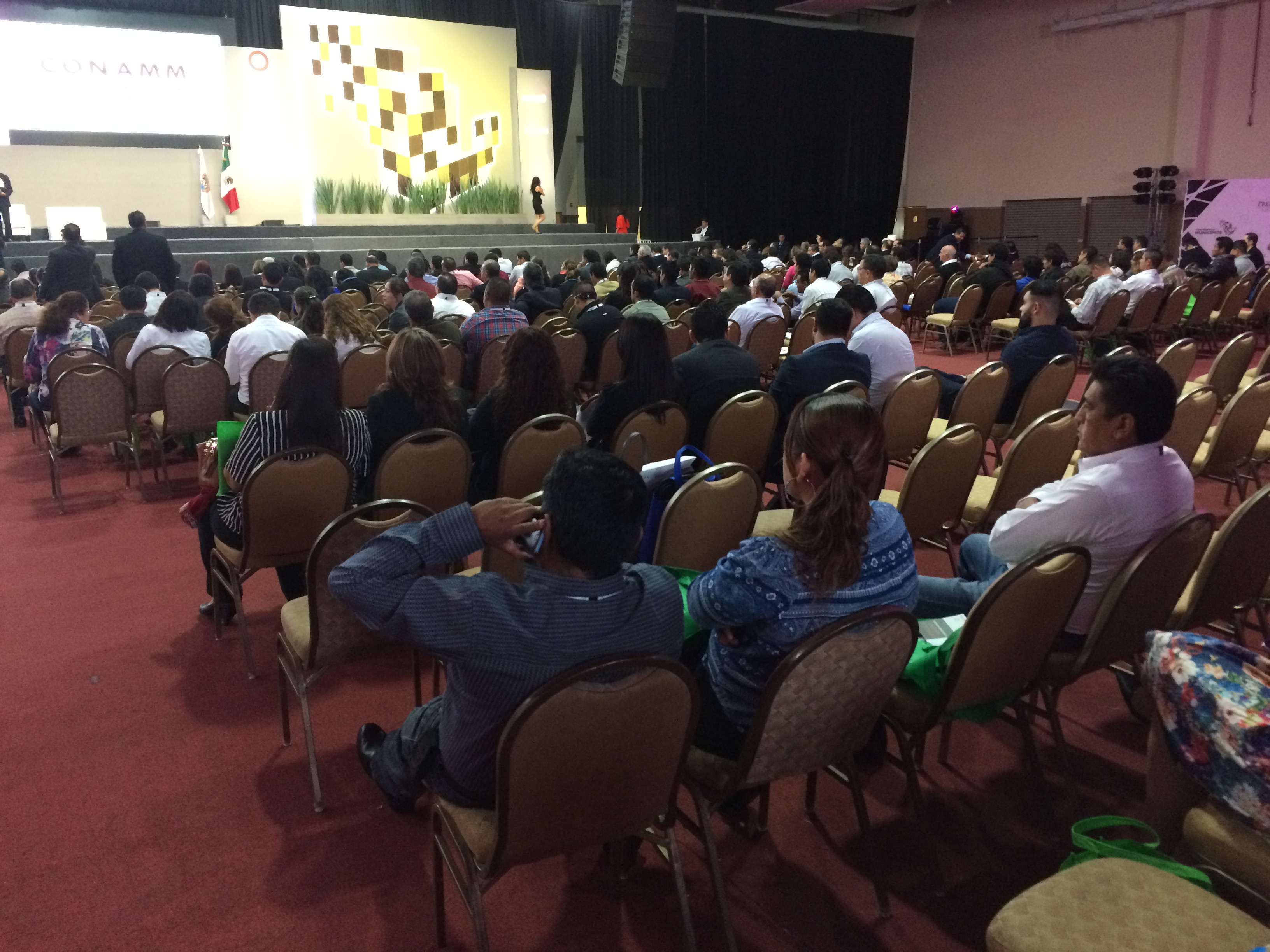
Selected interviews, talks and public appearances reflecting my journey from technology and Smart Cities towards a more human-centred vision.

GIVING SOUL TO CITIES
A human-centred perspective on the future of cities
Cities are becoming smarter. But are they becoming more human?
This paper explores the dimension that technology, architecture and infrastructure alone cannot provide: the human soul of a city.

Author: Enrique Ruz
Book
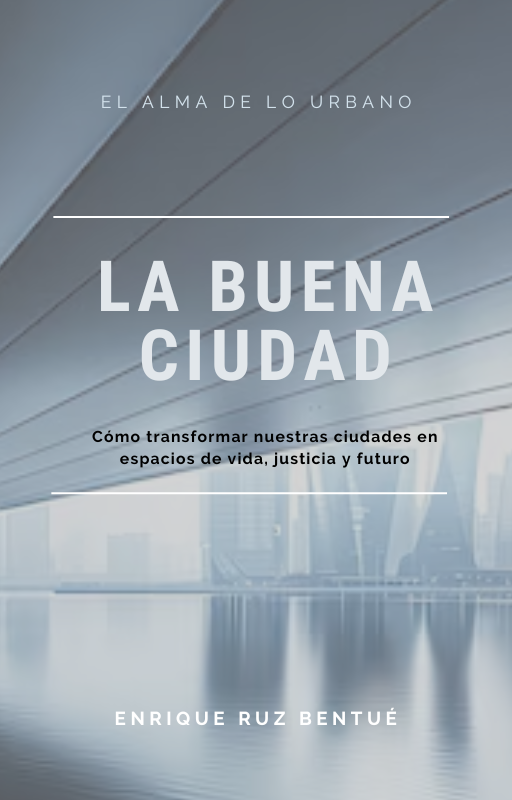
The Good City
How to transform our cities into spaces of life, justice and future.
Book
The city that thinks
Conversations (methodology) to build the future of a community
Book
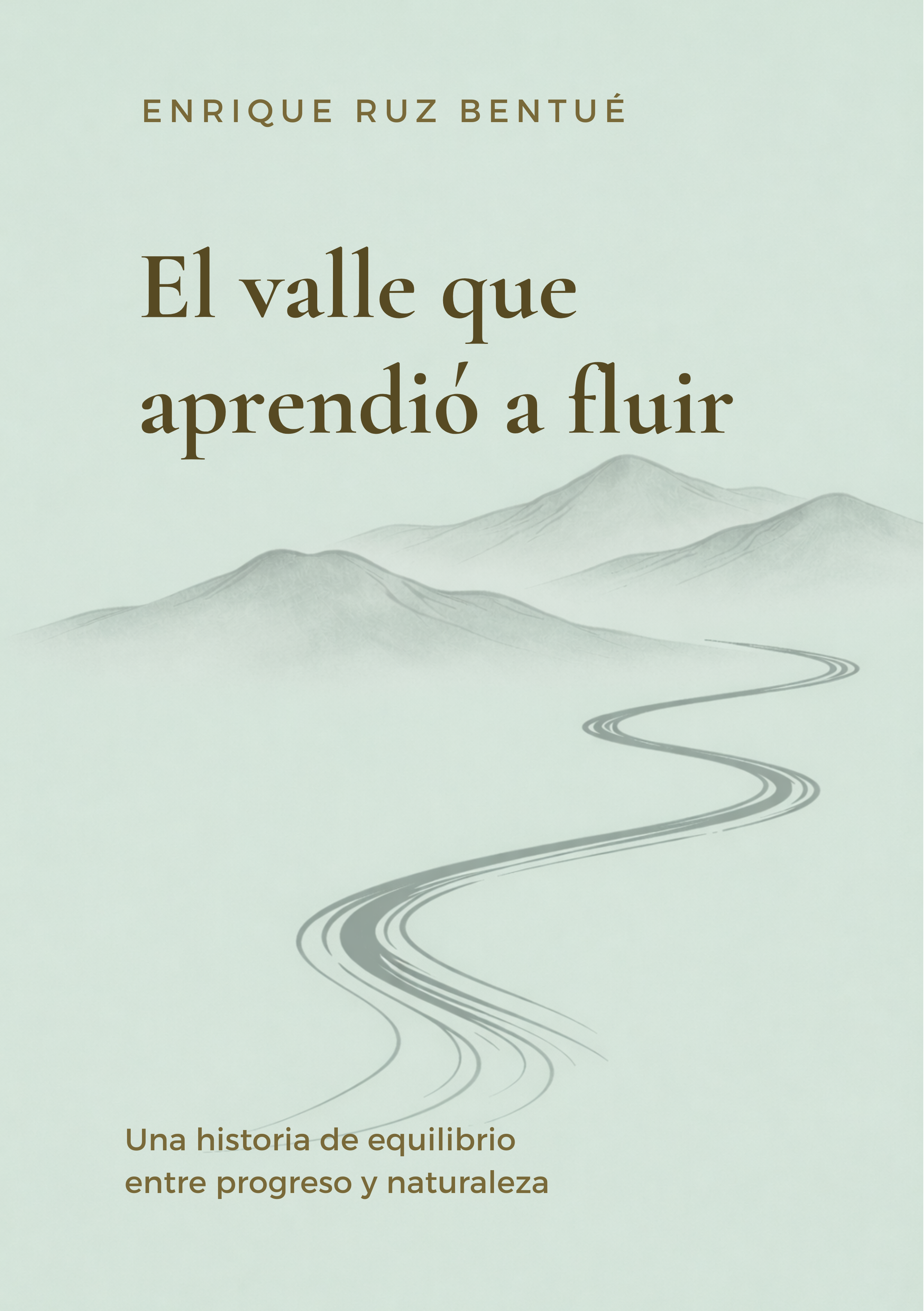
The Valley that learned to flow
Una historia de equilibrio entre progreso y naturaleza
EXPERIENCE
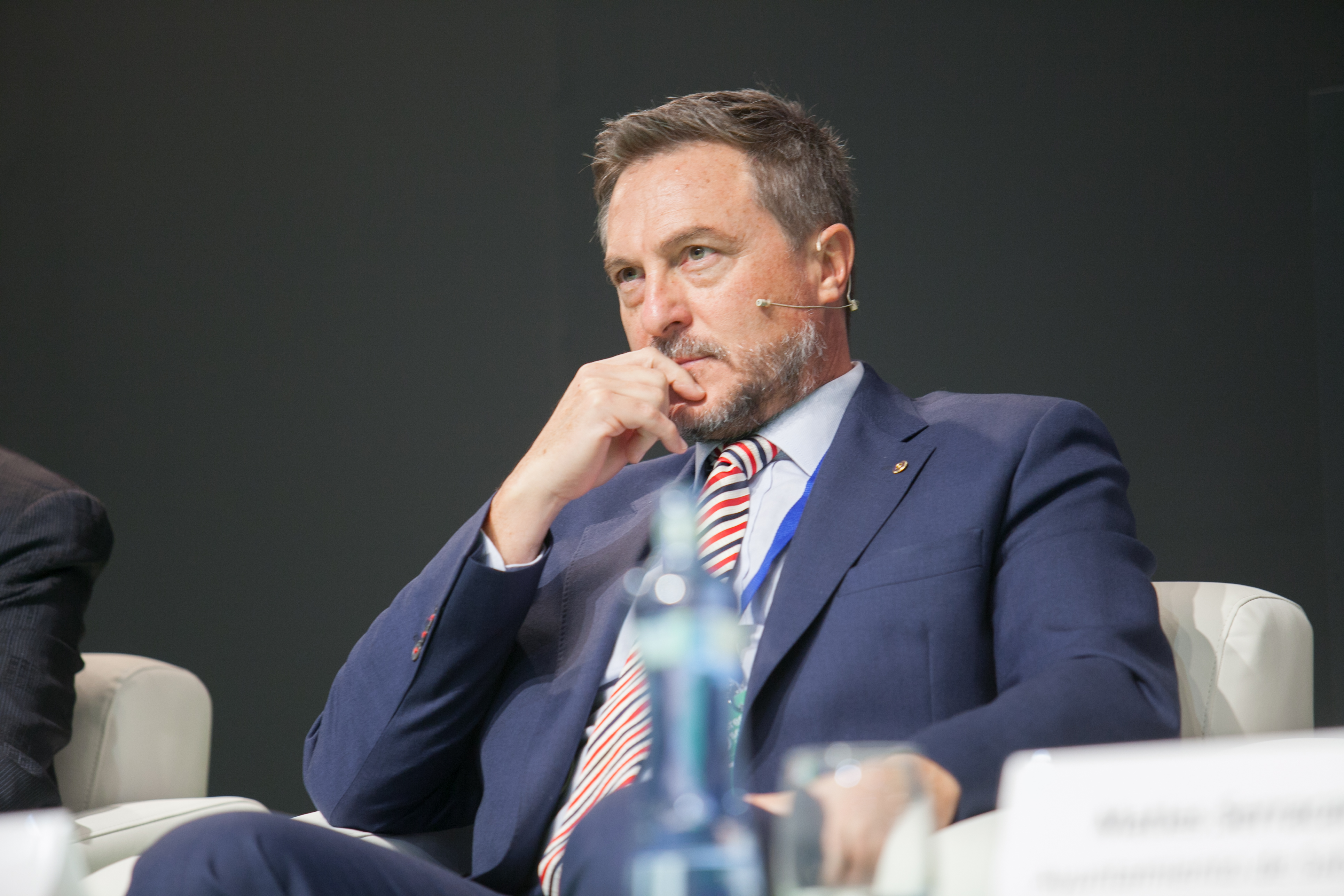
Decades of transformation across business, technology, cities and international projects.

PUBLICATIONS
Books, essays and articles exploring cities, technology, society and the human condition.
IDEAS & IMPACT
Ideas become meaningful when they help us question assumptions, connect perspectives and inspire action.
FROM
DIGITAL CITY TO
HUMAN CITY
COMUNIDAD DIGITAL – AN EARLY VISION OF THE CONNECTED CITY
Madrid, Spain 2004
The first Smart City to be shown to the world
from Enrique Ruz – ACCEDA
Before the term Smart City became widely established, Comunidad Digital explored what a fully connected urban environment could look like.
Developed through the collaboration of companies, public institutions and technology partners, the initiative brought different technologies together around the spaces and services of everyday urban life.
The evolution continues
Comunidad Digital began by asking how technology could transform the city. Years of working with cities, governments, companies and urban specialists gradually led me to a different question:
AN EVOLVING VISION
DIGITAL CITY
Connecting technologies
↓
SMART CITY
Connecting urban systems
↓
HUMAN CITY
Connecting everything around people
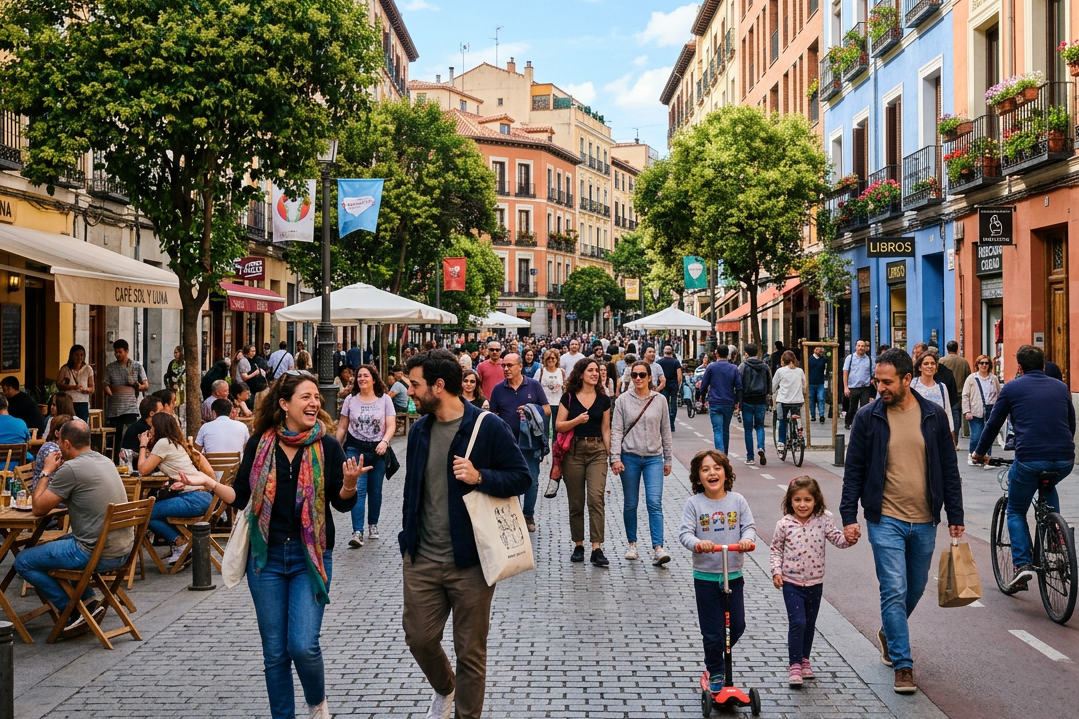
What kind of city do people actually want to live in?
That question marks my evolution from Smart Cities towards The Good City — a human-centred approach in which technology, infrastructure and urban design become means rather than ends.


A city built at full scale
Across approximately 5,000 m², a full-scale urban environment was created — almost like a film set — including 80–120 m² homes, a hotel, hospital, bank, school, government facilities, post office, tax administration, streets, simulated parking areas, parks and gardens.
The objective was not simply to display individual technologies, but to demonstrate how different companies, institutions, technologies and urban services could work together as part of one integrated city.

